There are many ice chewers who never give it a second thought.
It feels harmless, sometimes even refreshing. Some people do it every single day.
But here’s the thing.
Chewing ice can silently damage your teeth, even if you don’t feel pain immediately.
In this article, you’ll find out why chewing ice can be harmful to your teeth, what’s actually happening inside your mouth, when it becomes an issue and not just a refreshing snack, and what dentists recommend instead.
What Makes Ice So Hard to Resist?
It helps to understand the habit before judging it.
People chew ice because:
-
It feels refreshing
-
It helps with dry mouth
-
It relieves stress or boredom
-
It sometimes develops with age
Occasionally, a strong urge to chew ice (called pagophagia) can be linked to iron deficiency. But for many people, it’s just a routine.
Is Chewing Ice Bad for Your Teeth?
Short answer: Yes.
Chewing ice is not good for your teeth.
Ice seems soft, but it’s actually very hard, much harder than tooth enamel.
When you bite ice:
-
Enamel absorbs repeated impact
-
Tiny cracks can form
-
Dental work becomes vulnerable
The harm is often gradual and silent.
What Chewing Ice Does to Your Teeth
Enamel Can Crack or Chip
Tooth enamel is strong but brittle.
Repeated ice chewing can cause:
-
Micro-cracks
-
Small chips
-
Increasing pain sensitivity
Once enamel is damaged, it doesn’t grow back.
Fillings and Crowns Can Break
If you have:
-
Fillings
-
Crowns
-
Veneers
Chewing ice over time can lead to:
-
Cracked fillings
-
Loose crowns
-
Costly dental repairs
Even restorations on natural teeth can become compromised very quickly from the pressure.
Tooth Sensitivity Can Increase
Cracks in enamel may expose the underlying layers of the tooth.
This can cause:
-
Sensitivity to cold
-
Sharp pain when eating
-
Discomfort while brushing
Sensitivity might not appear until the damage is already done.
Jaw and Muscle Strain
Chewing ice puts stress on:
-
Jaw muscles
-
The temporomandibular joint (TMJ)
This can lead to:
-
Jaw pain
-
Clicking sounds
-
Headaches
People who already grind their teeth are at higher risk.
Is Chewing Ice Healthier Than Sucking?
Sucking on ice is less dangerous than chewing it, but not completely safe.
Possible risks include:
-
Temperature shock to teeth
-
Sensitivity flare-ups
-
Habit reinforcement
If you absolutely must have ice, letting it melt slowly is safer than crunching it.
Can Eating Ice Be a Sign of a Health Problem?
Yes, in some cases.
A strong craving for ice may be linked to:
-
Iron deficiency anemia
-
Nutritional deficiencies
If you constantly crave ice and also feel tired, weak, or dizzy, it’s best to talk to a doctor.
Signs That Ice Chewing Has Already Damaged Your Teeth
Watch for these warning signs:
-
Sudden tooth pain
-
Chipped edges
-
Increased sensitivity
-
Pain when biting
-
Fine cracks noticed by your dentist
Even if you don’t feel pain yet, damage may already be happening.
What Dentists Say About Ice Chewing
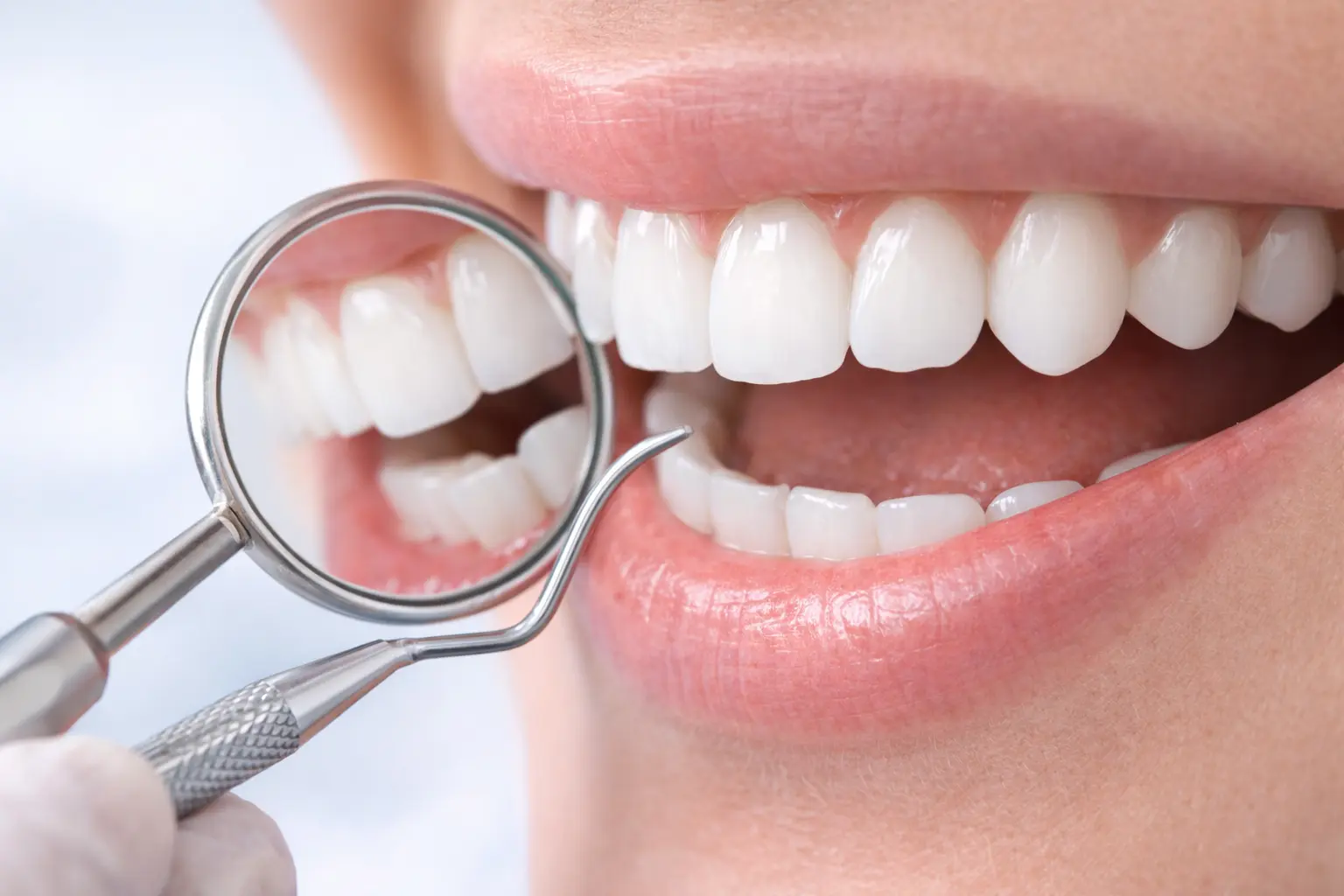
Most dentists consider chewing ice a bad habit.
Common advice includes:
-
Avoid hard substances
-
Protect enamel from unnecessary stress
-
Address habits early
Cracked teeth caused by ice chewing are a common issue among adult patients, dentists report.
Safer Alternatives to Chewing Ice
Next time you crave ice, try these instead:
-
Let ice melt in your mouth
-
Drink cold water
-
Chew sugar-free gum
-
Nibble on frozen fruit (like apple slices)
-
Treat dry mouth causes
Breaking the habit now can save your teeth later.
How to Protect Your Teeth If You Can’t Quit Immediately
If quitting is hard:
-
Reduce frequency
-
Avoid large ice cubes
-
Don’t chew ice on one side only
-
Keep up with regular dental checkups
Small changes can still make a big difference.
Frequently Asked Questions
Is eating ice worse than crunching hard candy?
Both are risky, but ice causes more sudden impact stress.
Can children chew ice safely?
No. Kids’ teeth are still developing and more prone to damage.
Does ice hurt more in winter?
Cold sensitivity can feel worse in winter, but the risk exists all year round.
Final Thoughts
So, does chewing ice ruin your teeth?
Yes, especially if it becomes a habit.
The damage might not appear right away, but over time, chewing ice can crack teeth, cause sensitivity, and lead to expensive dental problems.
Taking care of your teeth now means less pain (and fewer bills) later.